
Legend
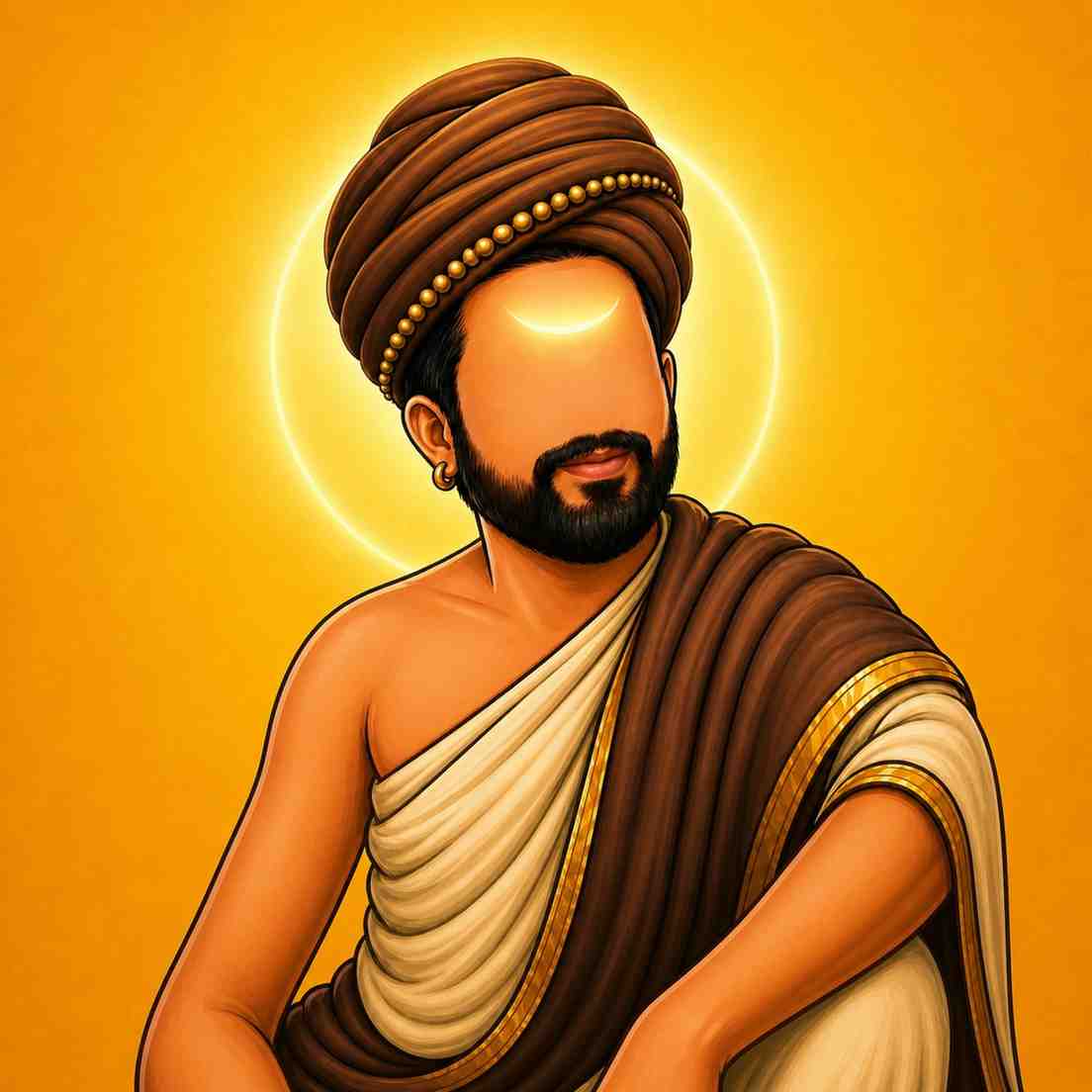
According to the Gurupavanapura Mahatmya of the Narada Purana, the icon of Guruvayur was made by Vishnu himself in Vaikuntha and given by Brahma to King Sutapas and his queen Prishni, who were granted the boon of worshipping it across three births, the last as Vasudeva and Devaki. After Krishna left the earth and Dwarka sank into the sea, his disciple Uddhava retrieved the idol and entrusted it to Brihaspati, the Guru of the gods, and Vayu, the wind god. They installed it at a spot chosen by Shiva, and the place took their names: Guru-Vayu-ur.
Why this temple matters
Guruvayur is called Bhuloka Vaikuntha, the abode of Vishnu on earth, and the Dwarka of the South, because the four-armed standing icon is the majestic form Vishnu revealed to Vasudeva and Devaki at Krishna's birth. The temple is recorded in the 14th-century Kokasandesam and was a major pilgrimage centre by the late 16th century, when Melpathur Narayana Bhattathiri composed the Narayaneeyam here. The idol was hidden at Ambalappuzha during Tipu Sultan's 1789 invasion and reinstalled in 1792. It is one of Kerala's busiest wedding venues and keeps about 35 elephants at Punnathur Kotta.
What devotees pray for here
Blessings for a Child
Every morning Guruvayurappan is dressed as the infant Krishna, with butter and flute in his hands, and devotees approach him as a child of the house. Couples hoping for a child and parents of newborns traditionally bring their prayers and vows here. Many fulfil those vows with Thulabharam, weighing the child or themselves against grain, fruit or other offerings, or by sponsoring a pooja. The temple is also where Kerala families come for weddings, with the couple seeking the Lord's blessing before the ceremony.
Health & Healing
Devotees believe the daily sesame-oil abhishekam of the idol, carved from stone said to hold medicinal properties, gives the oil healing power, and it is given as prasadam. Tradition likewise holds that the Thrippuka, the smoke that fills the sanctum after the last pooja each night, eases breathing. Families praying for recovery or long life sponsor abhishekams, archana or the great Udayasthamana pooja, and share Prasada Oottu, the temple feast.
Festivals
- Guruvayur Ekadasi (Vrischikam, November–December): dawn-to-dusk Udayasthamana pooja, elephant procession to the Parthasarathi temple and the Ekadasi Vilakku
- Chembai Sangeetholsavam (November–December): 12 to 15 days of Carnatic music ending on Ekadasi day
- Kumbham Utsavam (February–March): the ten-day annual festival beginning with flag hoisting on the Pooyam star
- Ashtami Rohini, Krishna Janmashtami (Chingam, August–September): Krishna's birthday
- Vishu (first day of Medam, mid-April): the Malayalam new year and harvest festival
Poojas & rituals
- Nirmalya darshanam at 3 AM, the first sight of the Lord in the previous day's decoration, considered the most auspicious
- Udayasthamana Pooja: a dawn-to-dusk series of 18 poojas, the temple's greatest offering, booked years in advance
- Thulabharam: weighing oneself or a child against an offering such as grain, fruit or sandalwood
- Krishnanattam: the temple's own dance-drama of Krishna's life in seven episodes, offered on most nights except Tuesdays and June to October
- Palpayasam and Appam offered at the night Athazha pooja, and Prasada Oottu, the temple feast from about 10 AM
- Temple weddings at the Kalyana Mandapam outside the eastern gate, with Tulsi garlands
Personal predictions for your own birth chart, pooja booking and prasad delivery are in the SantoBaba app.
How to reach
Cochin International Airport is about 72 km away and Calicut airport about 100 km. Guruvayur has its own railway station on the Thrissur–Guruvayur line, with passenger trains to Thrissur and Ernakulam and an overnight express to Chennai. Thrissur city is 26 km to the south-east, with frequent buses to the temple.
Timings
The temple opens at 3 AM for Nirmalya darshanam. The sanctum closes briefly for Usha pooja and reopens at 4:45 AM, and darshan continues through the morning poojas. It closes after the noon Ucha pooja, around 12:30 to 1:30 PM, and reopens at 4:30 PM (3:30 PM in the Mandalam season). Deeparadhana is at sunset, Athazha pooja at 7:30 PM, and the temple closes at about 9:30 PM.
Rules & dress code
Only Hindus are admitted. Men wear a mundu with the chest bare; a small cloth over the shoulder is allowed but not a shirt. Boys may wear shorts, also without a shirt. Women wear a saree or set-mundu and girls a long skirt and blouse; churidar is now permitted, but trousers and short skirts are not.
Frequently asked questions
What is the best time for darshan at Guruvayur?
Nirmalya darshanam at 3 AM is considered the most auspicious moment. Guruvayur Ekadasi in November–December is the biggest day of the year.
Can I book a pooja at Guruvayur without visiting?
Yes. Archana, abhishekam or Thulabharam in your name can be arranged through a priest, and SantoBaba sends you the video and prasadam. The Udayasthamana pooja is booked years ahead.
Can non-Hindus enter Guruvayur temple?
No. Entry is restricted to Hindus, and a strict traditional dress code applies to everyone.
Is Guruvayur temple open all day?
No. It opens at 3 AM, closes after the noon pooja, reopens at 4:30 PM and closes around 9:30 PM.
Photo gallery


Other temples for Health & Healing: Chamundeshwari Temple · Kashi Vishwanath Temple · Konark Sun Temple · Shirdi Sai Baba Temple · Somnath Temple · Sri Lakshmi Narasimha Swamy Temple · Sri Mallikarjuna Swamy Temple · Sri Varaha Lakshmi Narasimha Swamy Temple