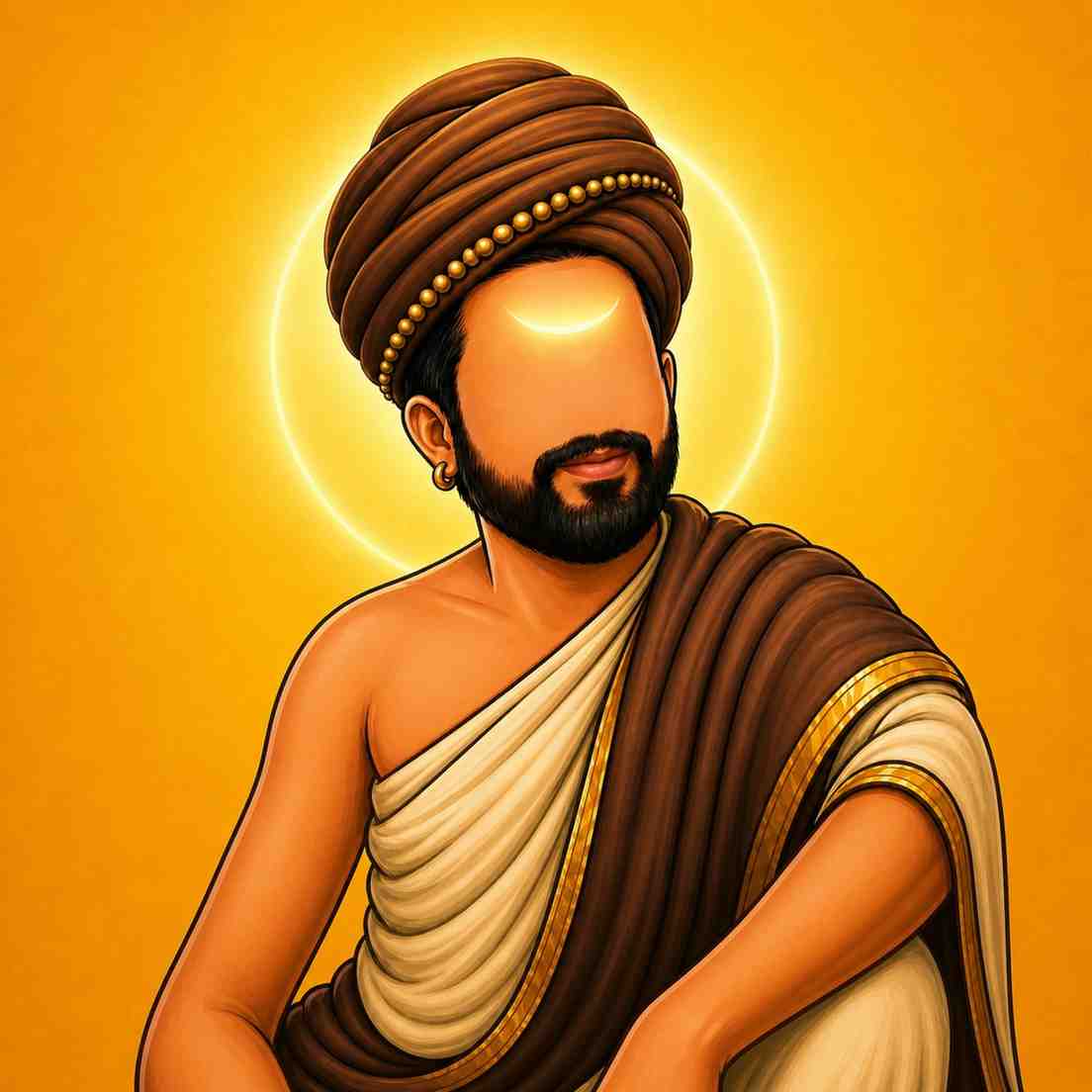

Legend
Tradition holds that Ayyappa, called Manikandan, was born of Shiva and Mohini, the female form of Vishnu. Left on the banks of the Pamba, he was found and raised by the childless Pandalam king Rajashekhara. Sent into the forest at twelve to fetch tiger's milk by a scheming minister, he slew the demon Mahishi. Asked where he wished to dwell, he shot an arrow that landed on Sabarimala hill. Parashurama helped the king build the temple with its eighteen steps and installed the idol.
Why this temple matters
Sabarimala sits at about 1,260 metres inside the Periyar Tiger Reserve, ringed by eighteen hills, and draws an estimated 10 to 15 million pilgrims a year. The temple is open only for the Mandala season, Makaravilakku, Vishu, the monthly poojas and a few festival days. Ayyappa is worshipped as a celibate deity seated in yogic posture. The Pathinettampadi, the eighteen sacred steps, were clad in panchaloha in 1985. The Travancore Devaswom Board administers the shrine. Pilgrims also visit the mosque of Vavar, a Muslim devotee of Ayyappa, at Erumely.
What devotees pray for here
Career Growth
Devotees traditionally take up the Sabarimala vratham at turning points in working life: a new job, a new venture, an exam or a transfer. Tradition holds that the 41 days of simple food, early baths, celibacy and restraint build the discipline Ayyappa rewards. Carrying the irumudi up the eighteen steps and pouring one's own ghee over the deity in Neyyabhishekam is believed to signify surrender of the self; many also sponsor Sahasranamarchana or Ashtabhishekam in their name.
Peace & Family Harmony
The pilgrimage is itself a practice of calm: 41 days without anger, profanity or alcohol, with daily temple visits. Devotees believe the ghee of the Neyyabhishekam carries the merging of the individual soul with the divine, and that hearing Harivarasanam, the lullaby sung as the sanctum closes each night, settles the mind. Families seeking a peaceful home sponsor Nitya Pooja or offer Aravana and Appam prasadam.
Festivals
- Mandala Pooja season (mid-November to late December): the 41-day peak pilgrimage season ending with Mandala Pooja
- Makaravilakku (14 January, Makara Sankranti): the Thiruvabharanam ornament procession and the sighting of Makarajyothi, drawing about half a million devotees
- Painkuni Utsavam (March): the ten-day annual festival ending with Painkuni Uthram and Aarattu
- Vishu (mid-April): the temple opens for the Malayalam new year days
- Onam (August–September) and Chithira Atta Thirunal (October–November): short openings
- Monthly poojas: the temple opens for the first five days of every Malayalam month
Poojas & rituals
- Neyyabhishekam: ghee carried in the irumudi poured over the idol, between 5:30 and 7 AM
- Padi Pooja: the pooja of the eighteen sacred steps, a sponsored evening offering
- Udayasthamana Pooja: a sponsored dawn-to-dusk series of poojas
- Pushpabhishekam, Ashtabhishekam and Kalabhabhishekam: sponsored abhishekams
- Sahasranamarchana and Ashtotharchana in the devotee's name
- Ganapathi Homam at the Kannimoola Ganapathy shrine, and Aravana payasam and Appam as prasadam
Personal predictions for your own birth chart, pooja booking and prasad delivery are in the SantoBaba app.
How to reach
Nearest airports are Thiruvananthapuram (about 170 km) and Cochin (about 160 km). Chengannur railway station, called the Gateway of Sabarimala, is about 85 km away; Thiruvalla (87 km) and Kottayam (96 km) are alternatives. KSRTC buses run from these stations to the base camps at Nilakkal and Pamba. From Pamba, pilgrims climb the steep Neelimala path to the Sannidhanam; the traditional forest route from Erumely is about 61 km.
Timings
On open days the temple opens at 5 AM with Nirmalya darshan, followed by Ganapathi homam and Neyyabhishekam till 7 AM. Usha pooja is at 7:30 AM and Ucha pooja at 12:30 PM; the temple closes at 1 PM. It reopens at 6:30 PM with Deeparadhana, followed by Padi pooja and Pushpabhishekam, and closes after Harivarasanam at about 9:50 PM. The shrine is closed entirely outside the season and monthly pooja days.
Rules & dress code
Online Virtual-Q booking through the Travancore Devaswom Board is mandatory. Pilgrims are expected to complete the 41-day vratham, wear the mala and carry the irumudi; only those with an irumudi may climb the eighteen steps, others use the northern gate. Plain black or blue traditional attire is customary. The temple traditionally restricts women aged 10 to 50; a 2018 Supreme Court verdict overturned the ban and the matter remains contested. Irumudi must be free of plastic, and soap and oil are not allowed in the Pamba river.
Frequently asked questions
When is Sabarimala temple open?
Mainly from mid-November to mid-January for the Mandala and Makaravilakku season, plus Vishu in April, Onam, and the first five days of every Malayalam month. It is closed on other days.
Can I do a pooja at Sabarimala without going there?
Yes. Offerings such as Sahasranamarchana, Ashtabhishekam or Aravana can be arranged during open days through a priest, and SantoBaba sends you the video and prasadam.
How long is the trek to Sabarimala?
Vehicles reach Pamba; from there it is a steep climb up Neelimala to the Sannidhanam. The traditional Erumely forest route is about 61 km and takes days.
What is the 41-day vratham?
A period of austerity before the pilgrimage: wearing the mala, vegetarian food, celibacy, no alcohol, no anger or profanity, bathing twice a day and visiting temples regularly.
Photo gallery


Other temples for Career Growth: Brihadeeswarar Temple · Chilkur Balaji Temple · Siddhivinayak Temple · Sri Kanaka Durga Temple · Tirupati Balaji Temple
Other temples for Peace & Family Harmony: Akshardham Temple · Badrinath Temple · Golden Temple · Jagannath Temple · Kapaleeshwarar Temple · Kashi Vishwanath Temple · Kedarnath Temple · Meenakshi Amman Temple · Ramanathaswamy Temple · Shirdi Sai Baba Temple · Sri Kanaka Durga Temple · Sri Mallikarjuna Swamy Temple · Sri Sita Ramachandra Swamy Temple